

Living and building in times of uncertainty. Are we prepared for the unexpected?
| We live in times when the unexpected can change everything. Earthquakes, floods, fires and other phenomena remind us of our vulnerability. But they also show us the importance of prevention, organization, and solidarity. Are we really prepared to face what we cannot predict? We invite you to read “Living and building in times of uncertainty” and together open this conversation. |
We live in times of uncertainty. The events of the last few months remind us of this in various ways and from different parts of the world: earthquakes shaking communities, floods forcing thousands of people to abandon their homes, fires advancing over populated territories, and extreme weather phenomena testing the response capacity of cities and institutions. Venezuela, Colombia, India, Nepal, Thailand, and other countries have recently experienced situations that, although different in origin and magnitude, have something in common: they force us to ask ourselves how prepared we are to face what we cannot completely predict.
The question, therefore, is not just what happens when a catastrophe arrives. The question is what we have built before it happens.
Because an emergency does not necessarily begin when the phenomenon occurs. Its consequences are related to the social, economic, environmental, and institutional conditions that that event encounters. The same risk can have very different effects depending on where people live, the quality of their housing, access to basic services, their economic resources, the information available, and the family and community networks they have.
This leads us to talk about social vulnerability. Not everyone has the same opportunities to protect themselves, respond, and recover from adverse situations. Older people living alone, families with fewer resources, those with disabilities, isolated communities, or those lacking support networks may face greater difficulties when the usual systems fail.
Therefore, preparing for the unexpected also means looking at our societies and asking ourselves where those vulnerabilities lie and what we can do to reduce them.
Prevention begins long before an emergency. It means knowing the risks, planning, establishing protocols, strengthening infrastructure, and ensuring that information reaches people clearly and in an accessible way. But it also means building institutions capable of coordinating and communities that know how to organize when circumstances require it.
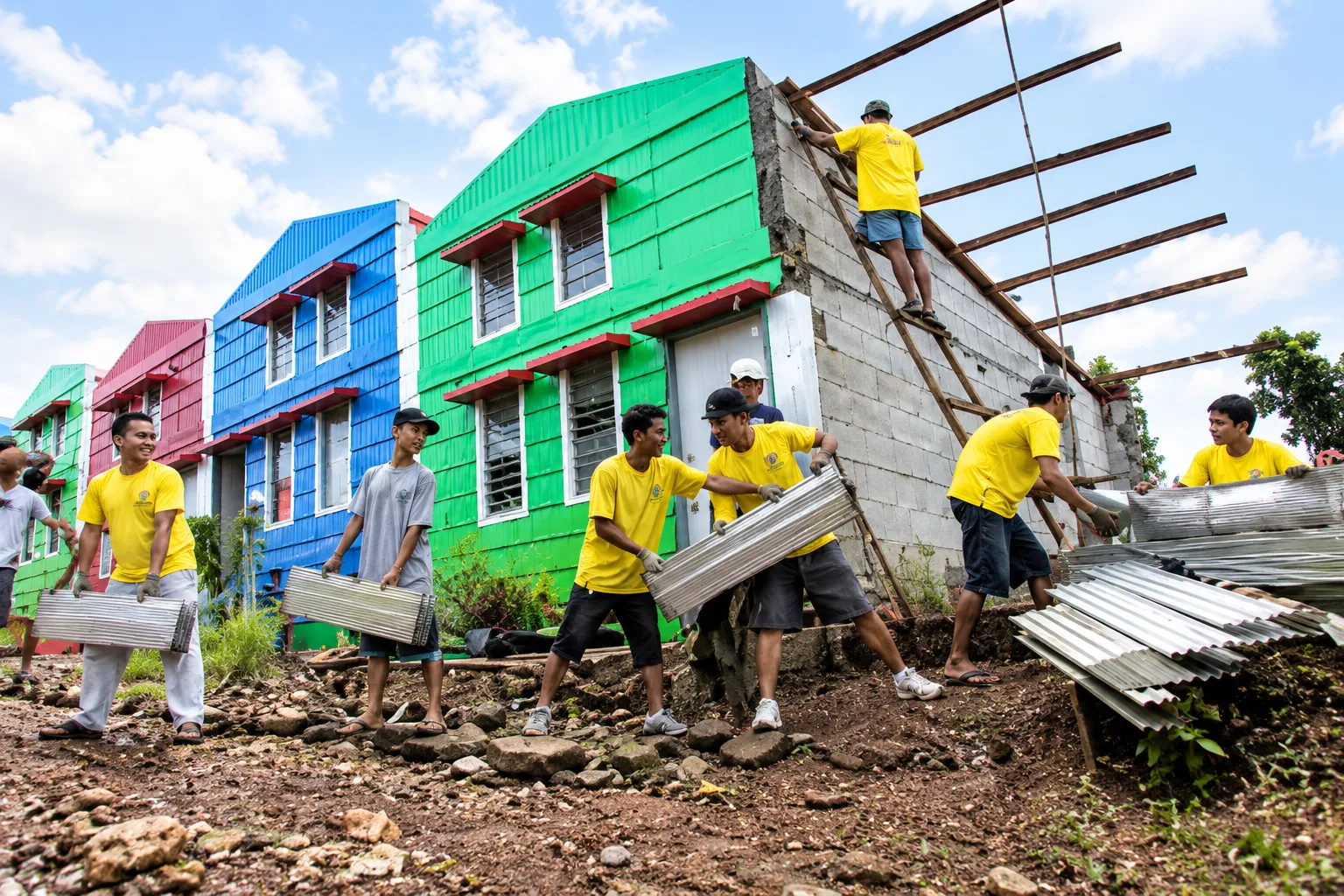
Experience shows that in critical situations, the response does not depend solely on specialized services. Neighbors, families, social organizations, professionals, institutions, and community networks can play a fundamental role. Spontaneous solidarity can help, but the ability to respond is strengthened when there are connections, organization, and prior preparation.
Here we find a fundamental concept: resilience.
We often talk about resilient people as those capable of overcoming difficult situations. However, when we talk about emergencies and disasters, resilience must also be understood as a collective ability. A resilient community is not one that simply withstands a crisis; it is one that can prepare for it, respond to it, adapt to it, and learn from it.
And learning is perhaps one of the biggest challenges.
After an emergency, the time comes to rebuild, restore services, and restore daily life. But there should also come a time to ask ourselves what happened, what worked, what failed, and what we need to change. Each catastrophe can leave losses, but also knowledge. The question is whether we are able to transform that knowledge into prevention.
Recent events also remind us that uncertainty comes in many forms. It is not just earthquakes. Floods, fires, storms, heat waves and other extreme phenomena pose different challenges and can affect territories and populations in very different ways. In September 2026, for example, heavy flooding affected different areas of India, Nepal and Thailand, causing casualties, displacement and material damage.
In the face of this reality, preparing ourselves does not mean living in fear or attempting to control what we cannot control. It means developing capabilities to respond better. It means investing in prevention, strengthening institutions, caring for community networks, and understanding that the security and well-being of a society also depend on its ability to anticipate, organize, and learn.
At Asesórate we want to open this space of “Let’s talk about…” to reflect precisely on these issues. We want to talk about the unexpected, but also about everything we can do before it happens. About vulnerability, but also about capabilities. About risks, but also about prevention. About emergencies, but also about the people and communities that must face them.
Because we cannot know when or where the next unexpected event will occur. But we can decide how we want to prepare ourselves to face it.
Living in times of uncertainty also means learning to build societies that are more prepared, more connected, and more capable of caring for themselves collectively.
And perhaps that is the question we must ask ourselves today:
What are we building now to be prepared when what we still cannot predict arrives?
Team
Asesórate Consultores Asociados