
When the Earth Trembles: The Decision to Rebuild
|
The double seismic event that occurred in Venezuela on June 24th left much more than material damage. It also awakened emotions, strengthened solidarity, and reminded us of the extraordinary resilience of the Venezuelan people. After the emergency begins an even greater challenge: rebuilding communities, recovering hope, and looking towards the future. In this task, each person, from their profession and experience, can contribute to the country rising again with greater strength.
|
The double seismic movement registered in Venezuela on June 24th reminded us, once again, that nature can transform our reality in a matter of seconds. Beyond the material damage, millions of Venezuelans experienced a shock difficult to describe. Those who were in the country experienced the impact of a phenomenon as unexpected as it was unsettling. Those of us living abroad shared the same anguish, trying to communicate with family and friends, hoping to receive the message we all wished to hear: «We are okay.».
Earthquakes don't just shake the earth; they also stir our emotions. They make us aware of our fragility and the importance of those around us. In moments like these, we understand that, above any differences, what is truly important are people.
But if there is something that profoundly characterizes Venezuelans, it is that we rarely remain immobile in the face of adversity. Almost instinctively, we begin to ask who needs help, to share information, to organize a collection, to open our homes, or simply to accompany someone going through a difficult time. Solidarity does not appear as a learned gesture; it is part of our way of understanding life and facing difficulties.
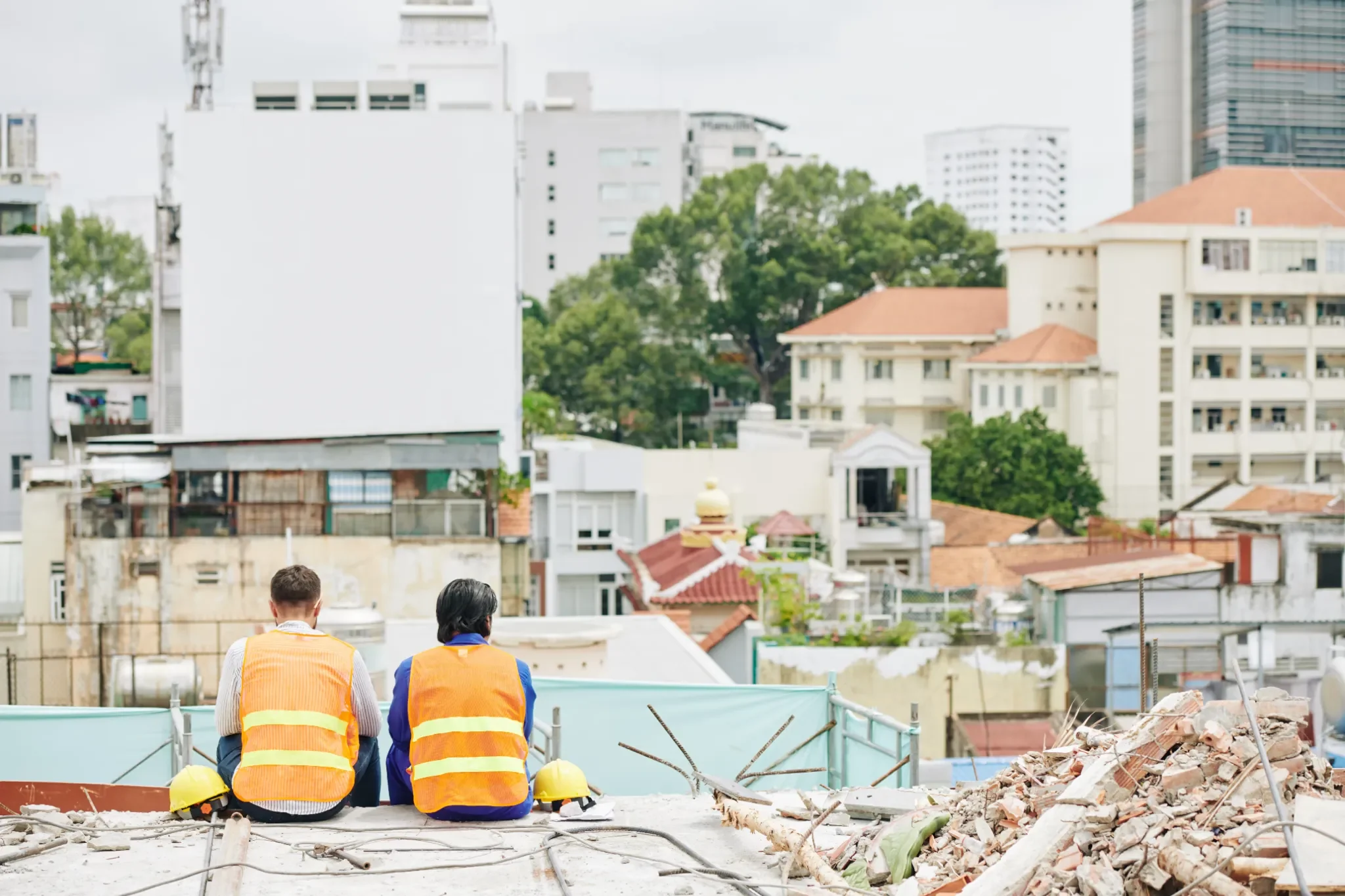
The first hours were marked by the response of emergency services, rescue teams, healthcare personnel, volunteers, and the support of numerous national and international organizations. Their swift action made it possible to save lives and alleviate immediate suffering. However, when the emergency concludes, a much longer and more complex challenge begins: reconstruction.
Reconstruction means more than just repairing homes, roads, or basic services. It means rebuilding trust, strengthening the social fabric, healing emotional wounds, and creating new opportunities for communities to look towards the future with hope once again.
In that task, there isn't a single dominant profession. Each discipline possesses knowledge and tools that can contribute to collective well-being.
Engineering and architecture help build safer infrastructure; economics drives the recovery of livelihoods; education restores stability to children and young people and offers spaces to learn and live together again.
Psychology plays an essential role in supporting those experiencing fear, anxiety, stress, or grief after an emergency. Caring for mental health is also rebuilding. Sociology and anthropology help us understand how communities react, how their support networks function, and what cultural strengths can become pillars of recovery. Listening to communities and respecting their identity allows for the construction of more humane and sustainable responses.
Art also has a lot to contribute. Music, literature, painting, theater, and photography help express emotions, preserve collective memory, and strengthen the bonds that unite people when they need it most. Likewise, universities, civil society organizations, research centers, businesses, and professional associations can add knowledge, innovation, and commitment to accompany this process.
Venezuelans know the value of solidarity well. Within and outside the country, there are thousands of people who feel the desire to contribute within their means. Some will do so through direct assistance; others by educating, researching, supporting communities, offering psychological support, promoting cultural initiatives, or developing local development projects. All of these contributions are equally valuable.
Perhaps one of the main lessons this double seismic event leaves us with is that cooperation remains our greatest strength. When knowledge, professional experience, and civic engagement come together, communities regain their ability to move forward more quickly.
There is also a very Venezuelan way of facing adversity. Even when fatigue and worry are evident, a smile, a word of encouragement, an outstretched hand, or a gesture of humor usually appears, helping to lighten the collective burden. It's not about minimizing suffering, but about expressing a profound will to move forward. This ability to overcome, to reinvent oneself, and to reach out to others constitutes one of the greatest strengths of our people.
Reconstruction doesn't end when the headlines disappear or when rescue operations conclude. It's a process that can stretch for years and requires perseverance, coordination, learning, and foresight. It also represents an opportunity to strengthen capacities and build communities better prepared to face new challenges.
After the earthquake, Venezuela needs to continue counting on everyone's solidarity. Every profession, every organization, and every citizen has something to offer. Because rebuilding a country isn't just about repairing what's broken. It means strengthening people, restoring hope, and reaffirming the conviction that by working together, it will always be possible to rise again.
Venezuelans did not choose for the earth to shake, but we can decide how to get back up after this jolt. Our history shows that, even in the most difficult times, we are capable of starting over with work, creativity, solidarity, and that smile which does not deny pain, but rather reflects the firm decision to keep building the country we all deserve.
Team
Asesórate Consultores Asociados
July 2026