

The reality of children in disasters from the perspective of a pediatrician
|
Natural disasters profoundly affect children's physical and emotional health, requiring comprehensive care that combines medical assistance, protection, nutrition, and psychological support. Shelters must provide safe spaces that preserve their well-being and development. Children's resilience should not mask their vulnerability. Protecting their childhood demands specialized protocols that guarantee safety, educational continuity, and recovery centered on their needs. |
The care of children in natural disasters demands a comprehensive approach that prioritizes basic survival and emotional containment. As pediatricians, our daily work involves protecting the development, health, and smiles of childhood. However, when a natural disaster or humanitarian emergency strikes a community, our role drastically transforms.
In those critical moments, consultative medicine gives way to trench medicine, where it is essential to guarantee water, shelter, hygiene, and health, apply psychological first aid, maintain family unity, and establish strict registration protocols to avoid the risk of trafficking and vulnerability. From my perspective on the front lines of care, crisis management reveals two parallel realities: the fragility of the response infrastructure and the touching, even painful, naivete of children in the face of adversity.
When a disaster strikes, the first line of medical defense shifts to local hospitals and health centers, which often become overwhelmed immediately—even more so in Latin America, where 70% of hospital facilities are located in high-risk areas. Children arrive with physical injuries, severe dehydration, or exacerbations of chronic illnesses caused by interruptions in their treatment. The initial priority is physical stabilization. However, the real challenge arises in the days that follow, when the initial chaos subsides and the emotional impact becomes evident.
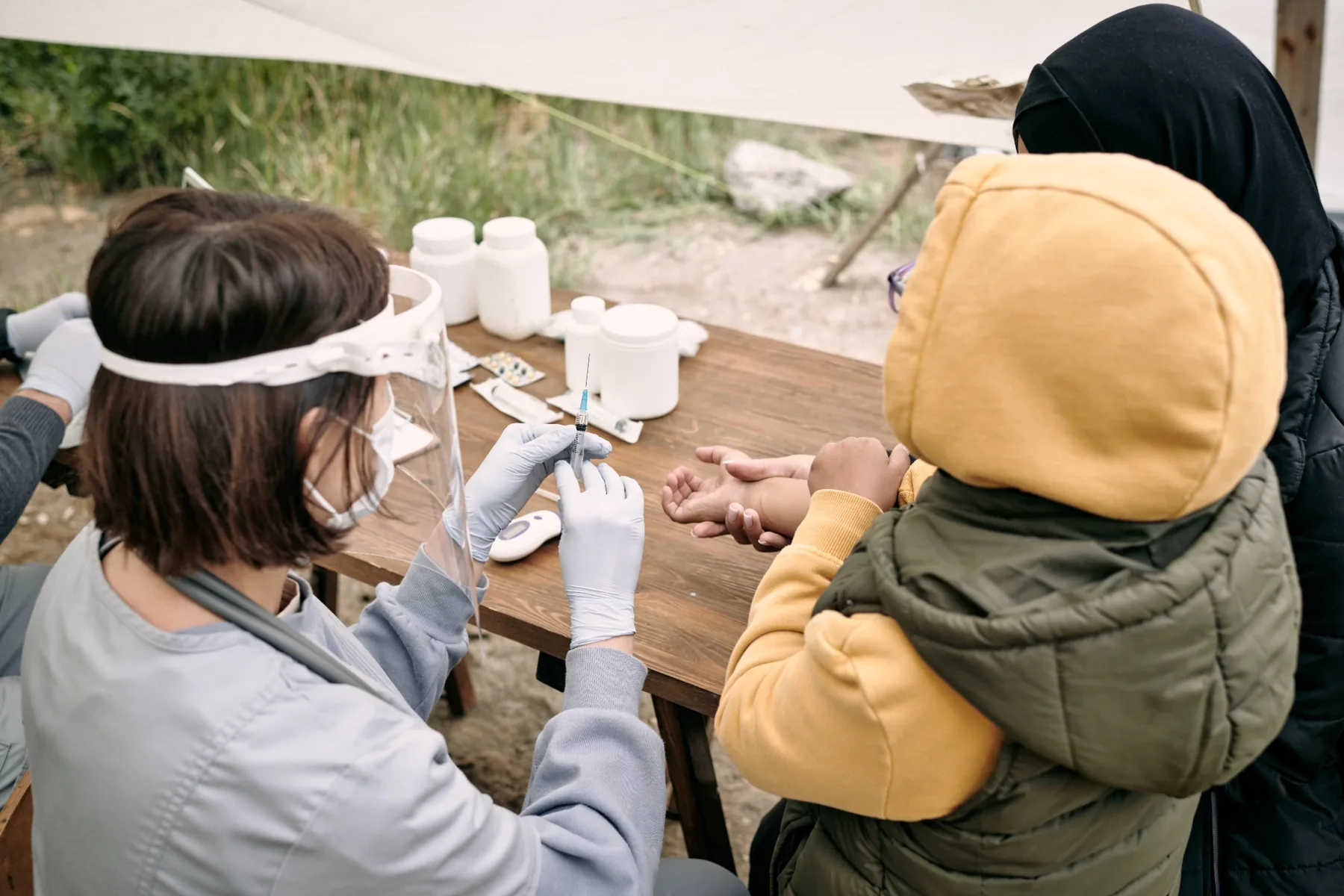
Temporary shelters represent an extremely complex scenario. Although these spaces are established with the intention of providing shelter, food, and security, the reality is that they often become focal points of vulnerability for the youngest. The lack of optimal sanitary conditions leads to the rapid spread of respiratory and gastrointestinal infections. Furthermore, overcrowding and the loss of family privacy create an environment of chronic stress. In shelters, pediatric care cannot be limited to prescribing medication; it must focus on public health, nutrition, and, urgently, on creating safe play spaces that restore a sense of normalcy to their lives.
Amidst this desolate landscape, what is most striking is the attitude of the children themselves. There is a deep and innate naivete in childhood that manifests strongly during the worst crises. This naivete should not be confused with indifference or an absence of suffering. It is, in reality, a psychological defense mechanism, a natural armor that protects them from a reality their minds cannot yet fully process. While adults sink into anguish, uncertainty, and grief over material and personal losses, children possess an astonishing capacity to compartmentalize reality. For a young child, a shelter full of bunk beds and strangers can temporarily transform into an adventure camp. Therefore, in shelters, we must separate areas for children's recreation, breastfeeding, and spaces for quiet reflection, regardless of any religious beliefs.
Watching a child smile or play in a field hospital after surviving a catastrophe is a lesson in resilience, but also a heartbreaking reminder of their absolute dependence on the adult world. They blindly trust that authority figures, their parents, and medical personnel will resolve the situation. This is why it's important to avoid using schools as shelters as much as possible, as classes should resume as quickly as possible, all within the framework of the population's comprehensive recovery plan.
As a pediatrician, I understand that our greatest responsibility in disasters is to safeguard that innocence for as long as possible, using it as a bridge towards their comprehensive recovery. Emergency medical care must evolve towards a holistic approach that recognizes a child's health is inseparable from their emotional well-being. We need emergency protocols that prioritize the creation of child-friendly zones in every shelter and that train staff in pediatric primary psychological first aid.
Reconstruction after a disaster is not only measured in bricks and bridges, but in the ability to restore every child's right to remain a child, ensuring their innocence is a sanctuary of hope, not a condition of vulnerability.

Dr. Huníades Urbina-Medina, MD